Digital credentials your users can carry anywhere
A suite of components to build digital credentials into your existing applications, built on open standards and ready for the compliance deadlines ahead

Two converging deadlines
01 | AMLR Article 22 July 2027
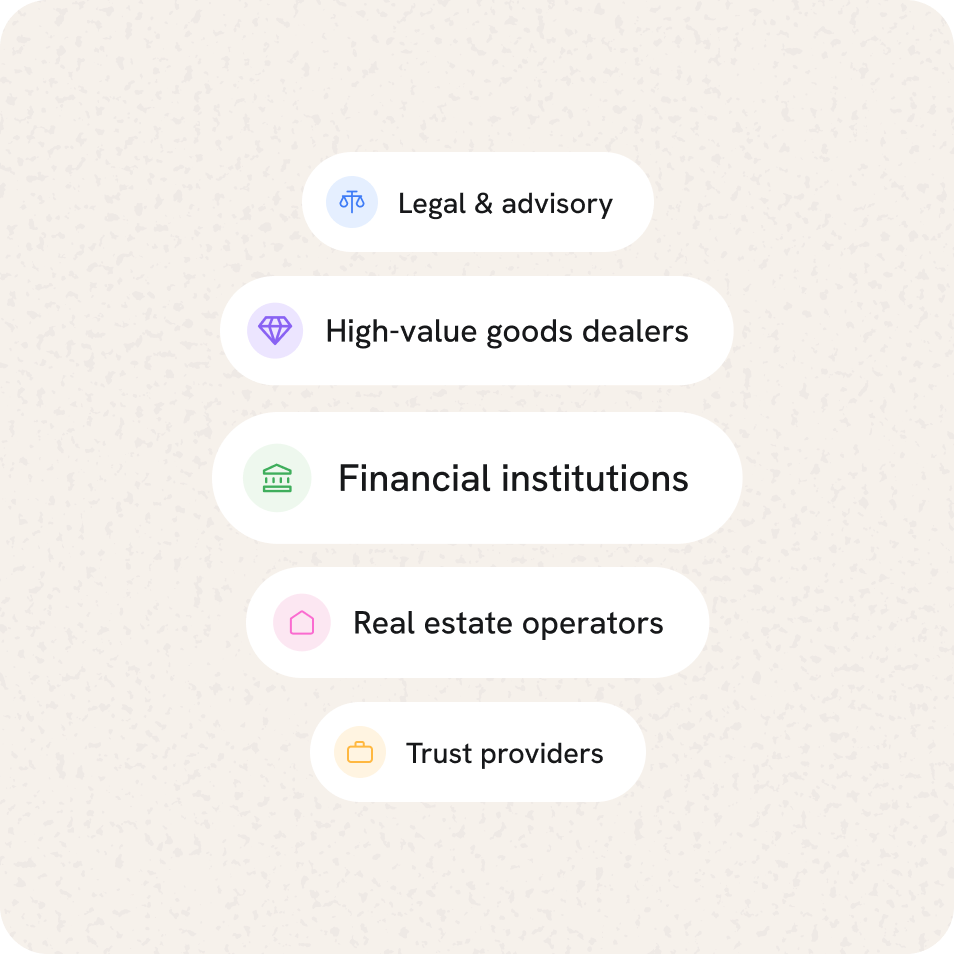
Obliged entities reach well beyond banks and crypto: payment and e-money institutions, law firms and notaries, auditors and tax advisers, real estate operators, trust and company service providers, and high-value goods dealers all qualify
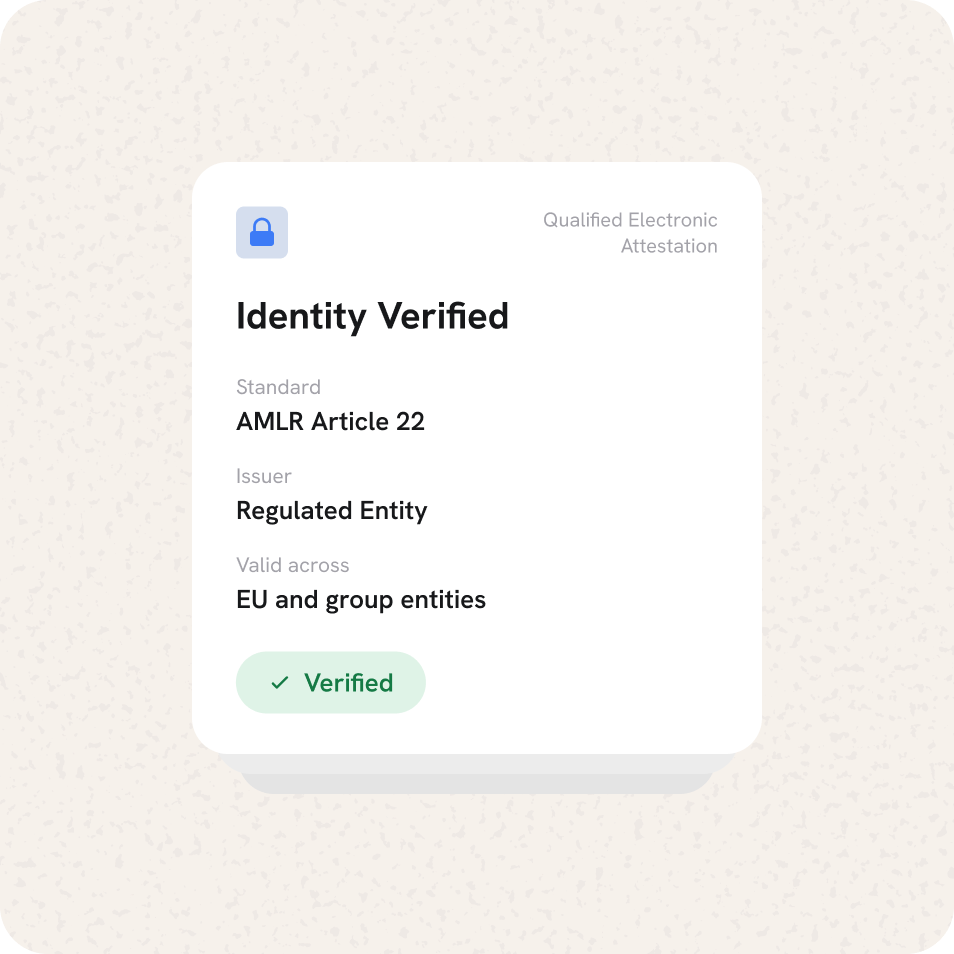
Any of them may rely on due diligence performed by another regulated entity. A Qualified Electronic Attestation of Attributes satisfies identity verification directly, without re-running KYC
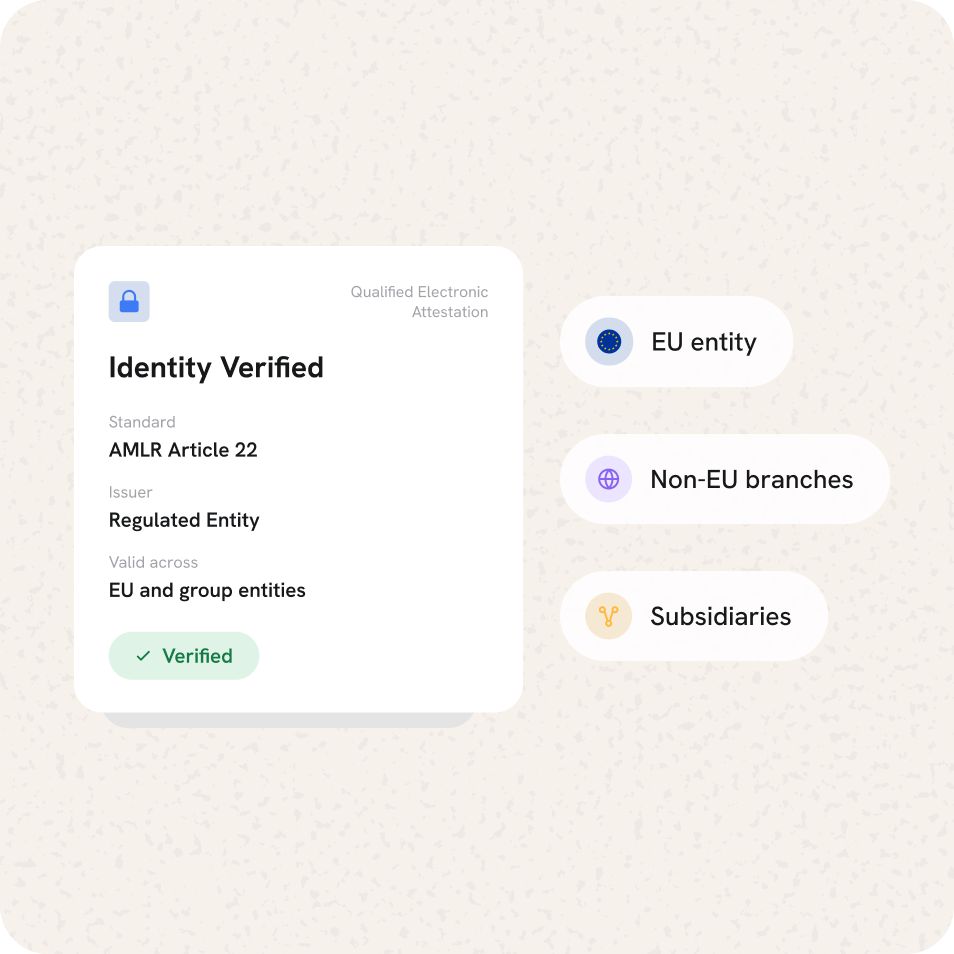
Group-wide rules extend the same standard to non-EU branches and subsidiaries of any group with an EU obliged entity
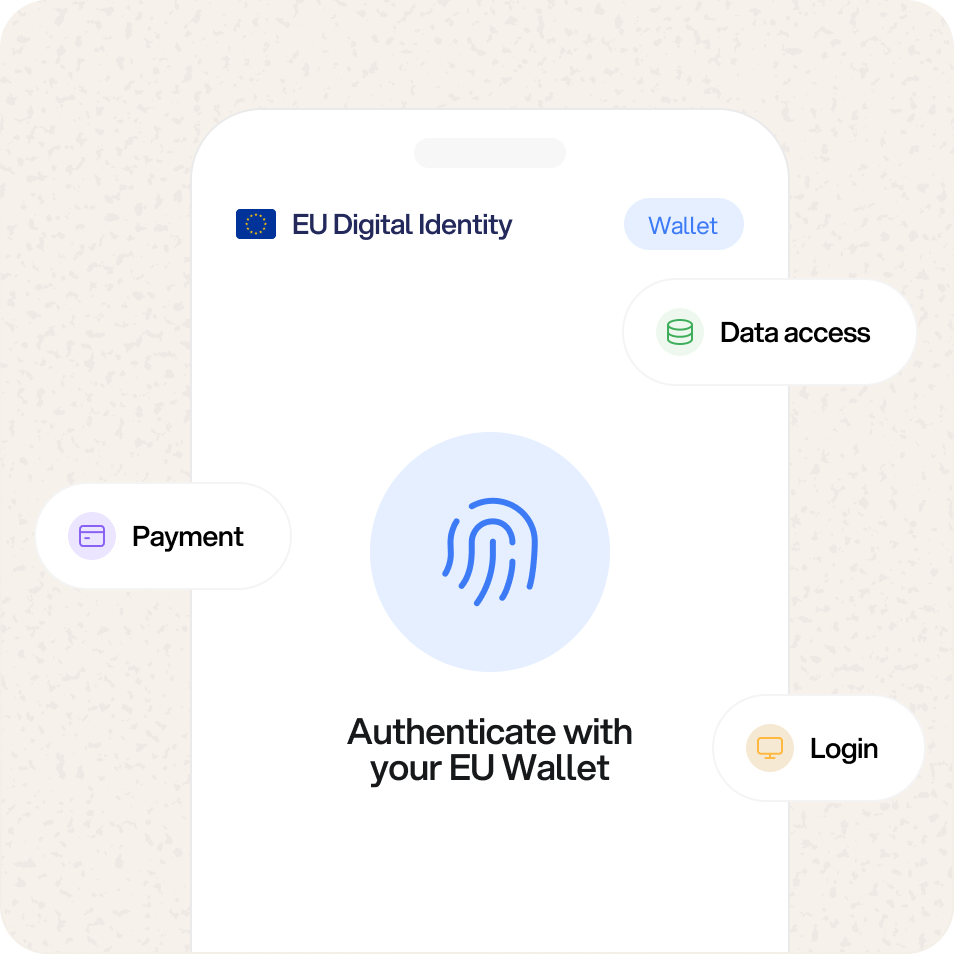
02 | eIDAS 2 December 2027
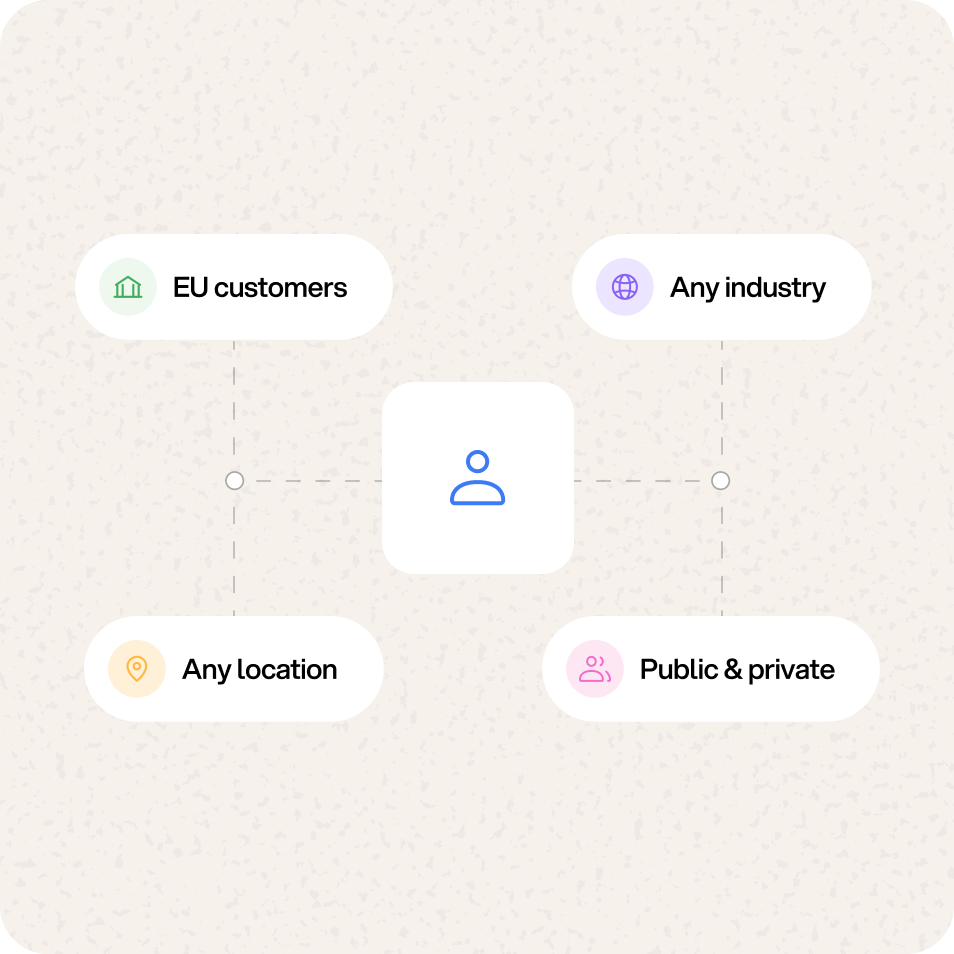
Wallet-based Strong Customer Authentication under eIDAS 2 extends verification beyond onboarding to every authenticated interaction, including login, payment, and sensitive data access
Any institution serving European customers is in scope, regardless of where it is headquartered

Get ahead of the regulatory deadlines
Streamline your onboarding processes today
Multiple credentials
Compliance is the sharpest forcing function, not the only use case. Tenants build on the same components to issue and verify credentials across identity, education, employment, and agentic commerce
Browse schemas (opens in a new tab) KYC and AML credentials
 Age verification
 Diploma credentials
 Employment credentials
 AI agent authorization
 Custom credential types
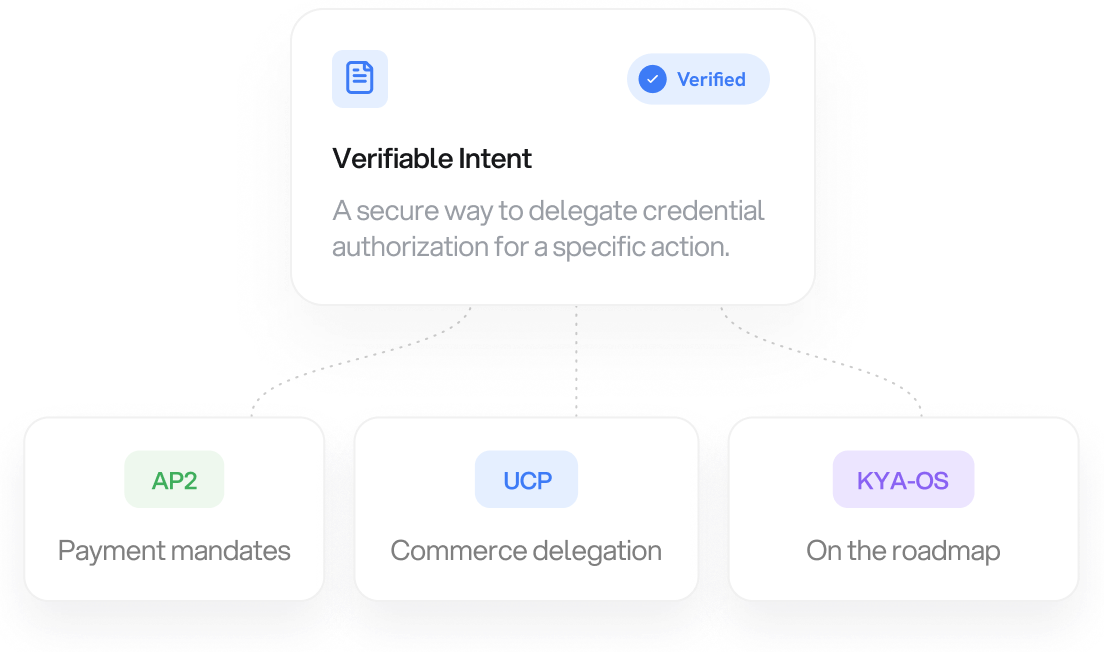
Agentic authorization
An AI agent acting on someone's behalf needs more than an API key. It needs a verifiable mandate, a cryptographically signed credential that proves exactly what it was authorized to do, by whom, and within what limits
The toolkit
[ Self-service ]
Rust client libraries for credential issuance, presentation, and verification. The same code foundation every other component is built on
- Apache 2.0 licensed, full source access, available on GitHub
- SD-JWT VC, KB-SD-JWT, and ISO mDoc built in
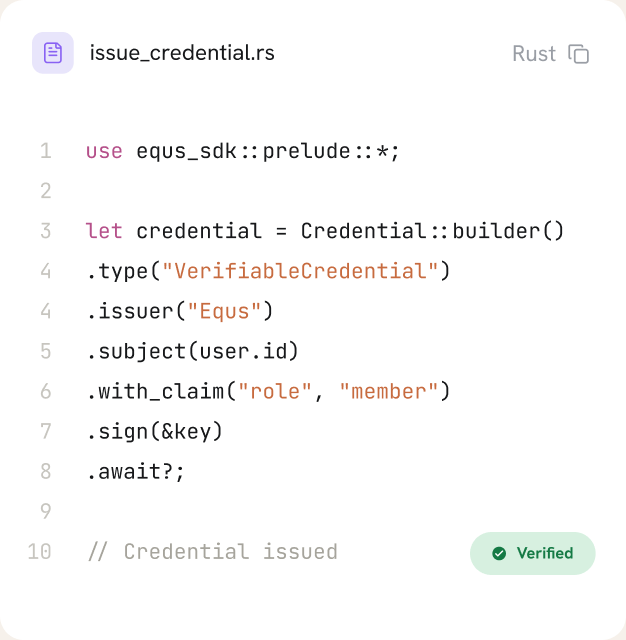
The Toolkit builds into your existing application
Choose what type of integration suits your company best
Request private beta access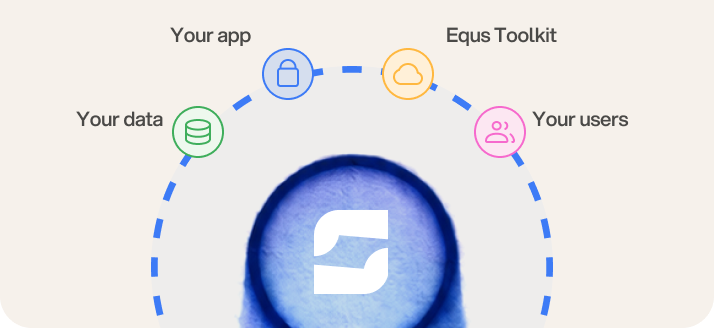
Frequently asked questions
The EQUS Developer Toolkit is a suite of components to build digital credentials into your existing applications, built on open standards and ready for the compliance deadlines ahead. It comprises of the open-sourced EQUS Credentials SDK, RESTful APIs, embeddable UI and an Operator Portal. Together, these components enable customers to choose the type of integration they want, from no-code, to deep integration.
Two options, and only the hosting model changes, the components, standards, and credential formats are identical either way. Managed SaaS is the fastest path to production, EQUS runs the infrastructure and you integrate the SDK, API, or Embedded UI, with nothing to operate or patch, which suits most tenants at launch. Or deploy on-premise for full control over data, network, and security, so data never leaves your perimeter and you meet residency and sovereignty obligations. Both use the same SDK, API, and Operator Portal.
The Toolkit is built on best-in-class credential standards. At launch it supports SD-JWT VC and ISO mDoc, with full W3C Verifiable Credentials 1.1 and 2.0 support to follow. Credentials are exchanged over OpenID4VCI 1.0 and OpenID4VP 1.0, with HAIP compliance on track, and DIDComm v2 for peer-to-peer channels. Signing uses X.509 certificates (verification now, issuance later) and DIDs including did:web, did:webvh and did:key. For AI agents, it supports Delegated SD-JWT aligned with Verifiable Intent and AP2, kept current as those standards mature.
Financial institutions and payment service providers that already enforce SCA under financial rules are legally required to accept the EUDI Wallet and digital credentials as a valid, interoperable means of fulfilling strong authentication requirements by December 2027. The Developer Toolkit has everything your company needs to build to be ready.


Build ahead of the deadline
Full SDK, API, Embedded UI, and Operator Portal access. 90-day access window from acceptance